
On June 11–12, more than 500 business valuation professionals joined CBV Institute in Calgary and online for CONNECT 2026. Across two days of technical sessions, keynote presentations, breakouts, and networking, the conference explored the forces shaping valuation practice today: artificial intelligence, global uncertainty, evolving deal structures, regulatory scrutiny, professional standards, and the increasing complexity of assets and markets.
For those who could not attend, here are some of the key themes and takeaways from CONNECT 2026.
AI, ethics, and the enduring role of professional judgment
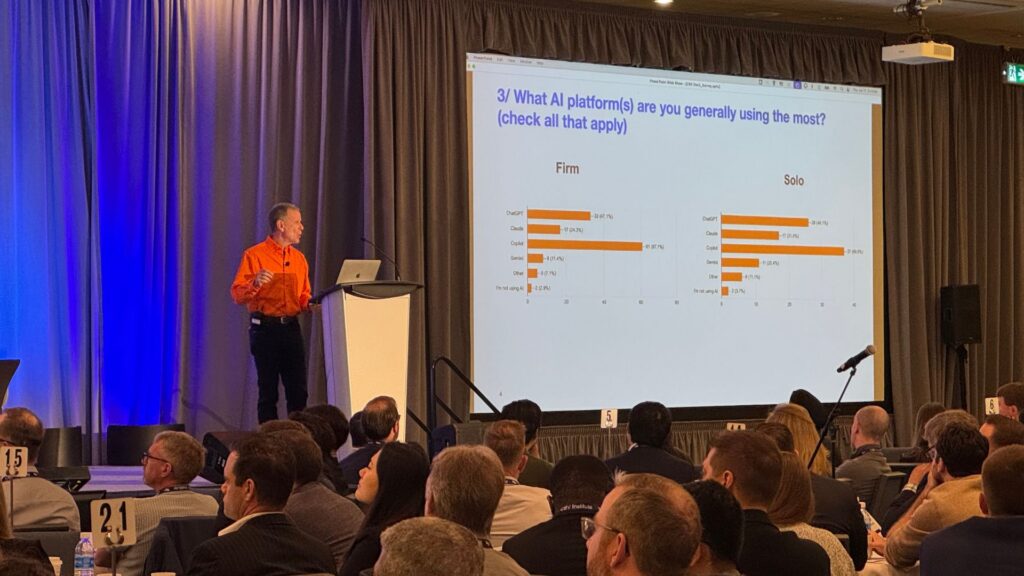
Artificial intelligence was once again a central theme, but the conversation has moved well beyond speculation. In “How to Incorporate AI into Your Everyday BV Systems & Processes,” Rod Burkert focused on practical tools, prompts, and workflows that can help business valuation professionals market, sell, and deliver their services more efficiently.
The discussion continued on day two with Jennifer Lynch’s session, “Ethical Excellence in a Digital Era: CBVs, AI & Independent Judgment.” Her presentation underscored that while AI may support elements of valuation work, it does not replace the responsibilities of the professional. Independence, confidentiality, objectivity, and sound professional judgment remain central to high-quality valuation practice.
Together, these sessions reflected a clear message for the profession: AI can create efficiencies and open new possibilities, but its use must be deliberate, documented, and grounded in ethical and professional obligations.
Valuation in an uncertain global environment
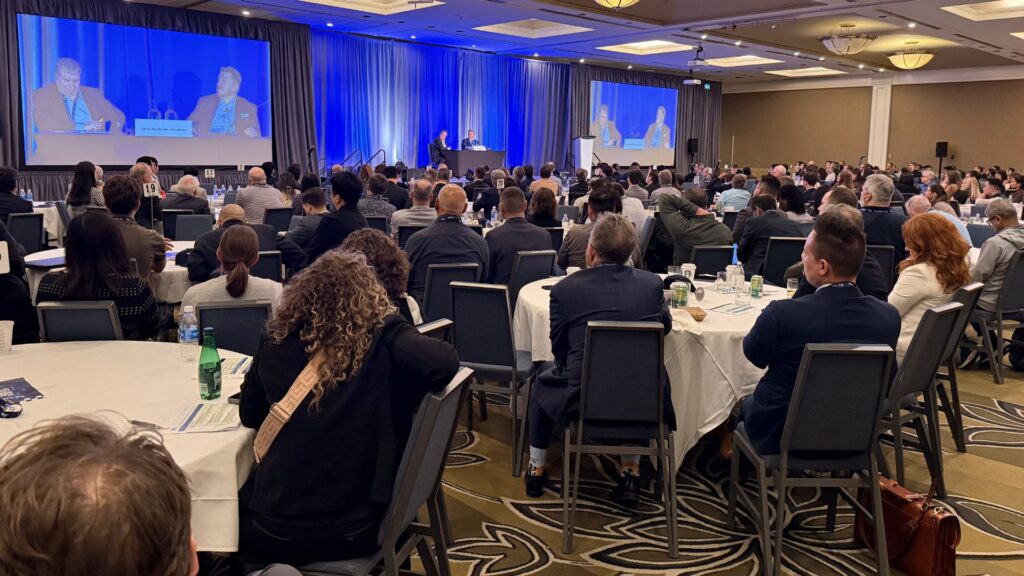
Several sessions focused on the broader economic, geopolitical, and sector-specific forces influencing business value. Michael Dobner and Mike Dutka’s session on global trends examined how socio-economic and geopolitical developments are affecting valuation assumptions, scenario analysis, and value drivers across sectors and geographies.
The Calgary setting provided a fitting backdrop for Robert Johnston’s keynote on Canada’s role in the global energy system. His remarks highlighted the risks and opportunities facing Canada as energy security, clean energy investment, regulatory challenges, public-private partnerships, and Indigenous engagement continue to shape the country’s economic resilience.
Breakout sessions extended this discussion into more specialized areas. Lesley Mitchell’s session on oil and gas market trends examined commodity price volatility, capital discipline, infrastructure, and decarbonization policy. A session on valuing water rights introduced attendees to an increasingly important asset class, including how legal entitlement, transferability, regulation, and investor interest can affect value.
The theme running through these sessions was clear: valuation professionals are increasingly called on to interpret complexity, test assumptions, and explain how external forces affect value in specific contexts.
Deals, disputes, and the mechanics of value
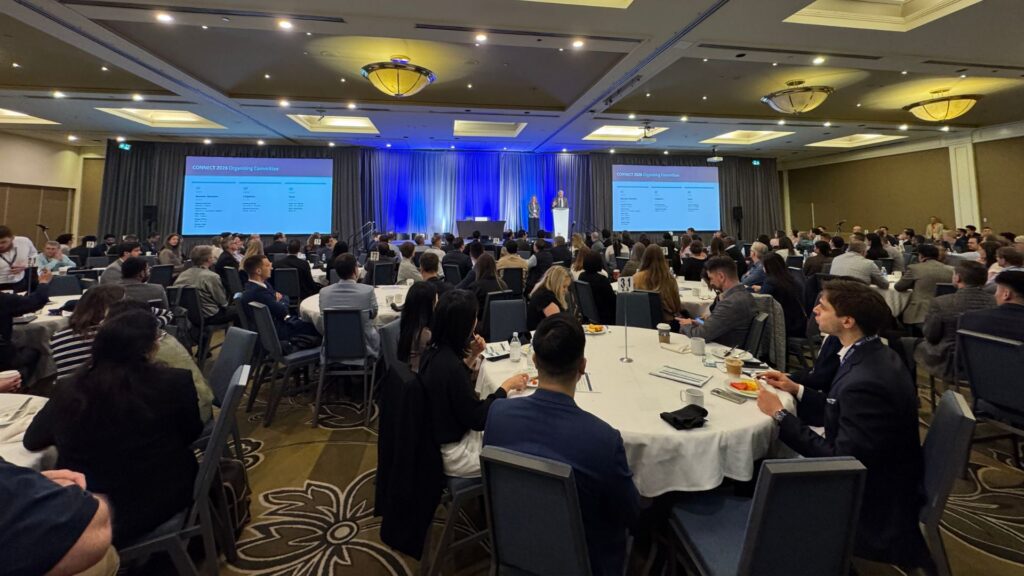
CONNECT 2026 also explored the practical realities of today’s transaction environment. Sessions on private equity strategies, volatile markets, working capital, and post-transaction disputes emphasized that dealmakers and advisors are operating in an environment marked by tighter lending conditions, greater scrutiny, and persistent gaps between buyer and seller expectations.
Jalal Jetha’s session on private equity strategies focused on creative but defensible transaction structures, including mechanisms that align incentives, allocate risk, and preserve optionality. Mackenzie Regent and Kent Sweezey explored how disciplined valuation fundamentals can be paired with flexible deal structures to help transactions proceed in uncertain markets.
Working capital and post-closing adjustments also received focused attention. Kailin Sheremeta and Joseph Valencia examined how net working capital can unlock value and become a key area of negotiation in M&A. Rohan Sethi and Michael Sisti’s session on post-transaction disputes provided practical guidance on common pitfalls related to working capital, earn-outs, ambiguous contract language, and dispute resolution processes.
For CBVs involved in transactions, these sessions reinforced the importance of precision, documentation, and alignment between valuation principles, diligence findings, accounting practices, and legal drafting.
Litigation, communication, and specialized damages
Several sessions addressed valuation and financial analysis in litigation and dispute contexts. David Holmes and Lorna Yates examined family law cases involving the treatment of income for support, including recurring issues such as income averaging, corporate pre-tax income, imputed income, personal expenses, tax gross-ups, and the distinction between income and capital.
Louise Poole and Roslyn M. Tsao focused on the importance of clear written reports and effective testimony. Their session, “Diamonds in the Rough,” reinforced that technical expertise must be paired with communication skills that are useful to counsel, clients, and the court.
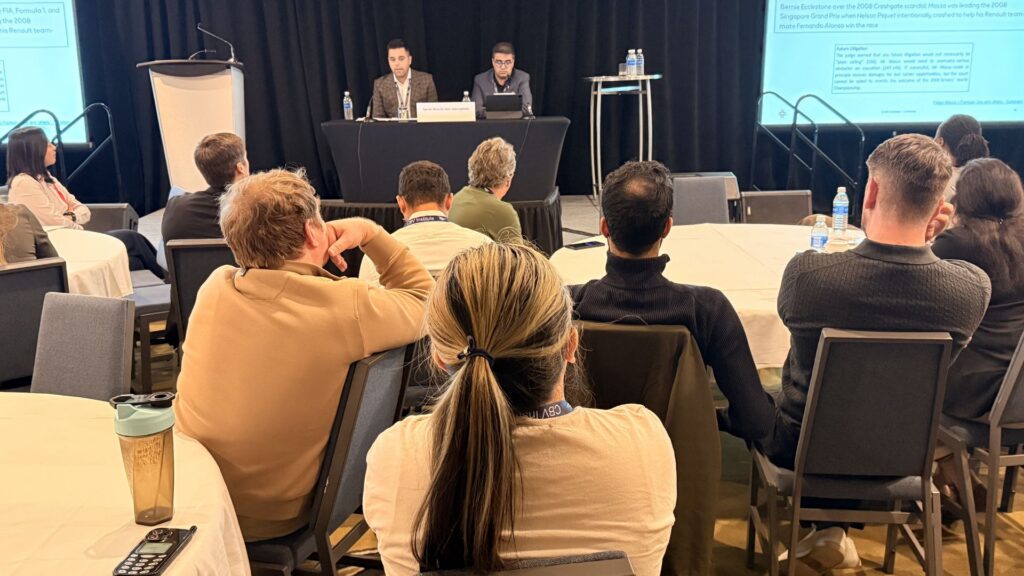
The conference also explored emerging areas of damages and intangible asset valuation. Aarij Wasti and Amran Nawaz’s session on valuing athletes addressed earnings volatility, short career horizons, counterfactual earnings trajectories, and Name, Image, and Likeness rights as a growing intangible asset category.
Across these sessions, the common takeaway was that professional judgment must be communicated clearly and withstand scrutiny. In litigation and dispute settings, the quality of the analysis is only part of the value CBVs bring; the ability to explain that analysis matters just as much.
Emerging markets, start-ups, tax, and global standards
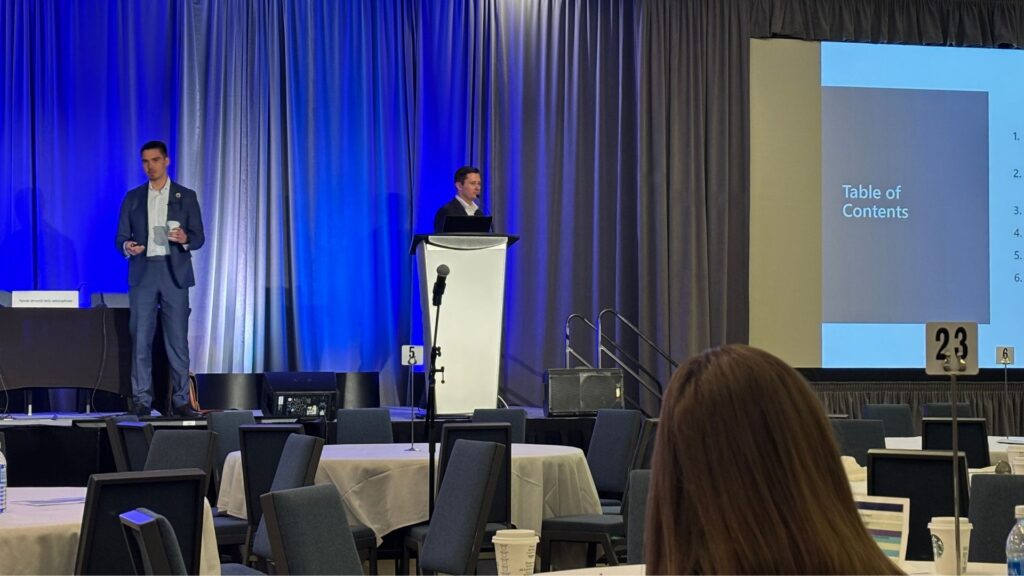
CONNECT 2026 also looked ahead to areas where valuation practice continues to evolve. Sean Smith and Jonathan Wolkin explored the valuation of start-up entities, contrasting valuation theory with investor reality and examining how early-stage investments are priced in practice.
Adam Van Elsberg and Benjamin Cooper-Janvier examined the evolving deal space in Indigenous markets, including cultural, governance, economic, lending, and due diligence considerations that influence transaction structures and valuation analysis.
Debra Moses and Anne Bushman addressed Canadian and U.S. valuation issues related to tax implications, focusing on stock options and other equity-based compensation arrangements. Their session highlighted how cross-border differences in tax, accounting, and regulatory requirements can affect valuation outcomes and planning considerations.
The future of the profession was also a major focus. Nick Talbot, CEO of the International Valuation Standards Council, and Catalina Miranda, CBV Institute’s Vice President, Regulatory & Standards, discussed global standards, regulatory trust, and professional leadership. Their session highlighted the growing role of International Valuation Standards and the importance of professional oversight, credibility, and global alignment as reliance on valuation work continues to increase.
A profession adapting while holding firm to its core principles

Across the conference, one message came through consistently: the valuation landscape is changing, but the core responsibilities of the profession remain essential. AI, global uncertainty, complex assets, evolving deal structures, and regulatory expectations are changing how valuation work is performed and scrutinized. At the same time, independence, due care, professional judgment, clear communication, and adherence to standards remain the foundation of credible valuation practice.
Beyond the sessions, CONNECT 2026 provided an important opportunity for Members, Registered Students, speakers, sponsors, exhibitors, and guests to connect in person and online. The networking breaks and cocktail reception gave attendees space to exchange insights, discuss practice challenges, and strengthen relationships across the profession.
CBV Institute thanks the CONNECT 2026 Organizing Committee, speakers, attendees, sponsors, and exhibitors for helping make this year’s conference a success. Special thanks to Kalos LLP, Tier 1 sponsor and exhibitor; Valkrest Consulting and MNP, Tier 3 sponsors; and ValuSource, exhibitor.
Looking ahead
CONNECT 2027 will take place in Toronto on June 3–4, followed by CONNECT 2028 in Charlottetown on June 8–9.
As valuation practice continues to evolve, CONNECT remains CBV Institute’s flagship forum for practical professional development, peer connection, and discussion of the issues shaping the future of business valuation in Canada and globally.